
Why the project was necessary
Specific floral resources for honeybees and stingless bees in Uganda remain poorly documented. Yet, these resources are critical for the production of honey, pollen and propolis. Information on plant species visited by bees is important for their conservation or planting in order to ensure sustainable production of bee products and pollination in crop farming. Moreover, with bees facing threats including habitat loss and forage resource decline due to anthropogenic activities, knowledge on honeybee and stingless bee forage becomes essential for informed planning of actions to ensure their survival.
Aims and objectives
General objective
To profile the plant forage resources of honeybees and stingless bees in order to enhance sustainable development of apiculture and meliponiculture in Uganda.
Specific objectives
- To characterize the plant species utilized as forage resources by honeybees and stingless bees in four main beekeeping agro-ecological zones (AEZs) of Uganda
- To determine honeybees’ and stingless bees’ visitation rates on flowers of different plant species in four agro-ecological zones of Uganda
- To assess the influence of environmental factors on honeybees’ and stingless bees’ flower visitation rates.
Methodology
Study area
Four main beekeeping agro-ecological zones (AEZs) of Uganda, namely; Western highlands (WH), Lake Victoria Crescent (LVC), Mid-North and Eastern highlands were sampled. These AEZs were chosen because they are key beekeeping zones of Uganda.
Study design
Two methods: field observations and palynological analysis were used to collect data. The study was conducted during the dry season and the wet season, to capture seasonal variations in forage availability and bee foraging behaviour.
Outcomes
Floral visitation rates
Mean floral visitation rates varied significantly across plant species and bee species in some cases (Table 1). However, in others, there were no significant differences in floral visitation rates. For instance, mean visitation rates of Persea americana were 6.60±1.63 for A. mellifera and 6.75±0.82 for M. bocandei.
Floral visitation rates during different times of the day
From the study, the A. mellifera visited plants in the morning, afternoon and evening while M. bocandei only visited flowers during the morning and afternoon hours. Generally, honeybees had similar visitation rates during different times of the day while visitation rates for M. bocandei were highest in the morning than in the afternoon (Figure 1).
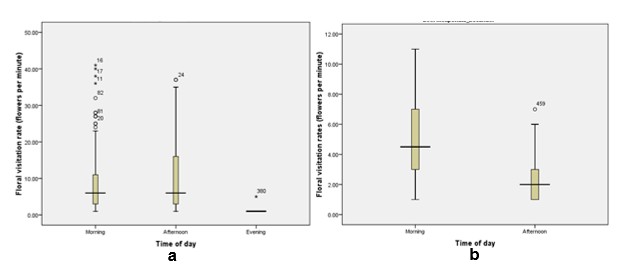
Figure 1. Floral visitation rates of A. mellifera (a) and M. bocandei during different times of the day
Visitation rates under different temperature conditions
Apis mellifera and M. bocandei visited flowers during cold, warm and hot conditions while flower visitation for M. ferruginea only occured during warm and cold (Figure 2). Mean highest floral visitation rates were recorded in the cold conditions for the two stingless bee species. On the other hand, mean highest visitation rates for A. mellifera were during hot conditions.
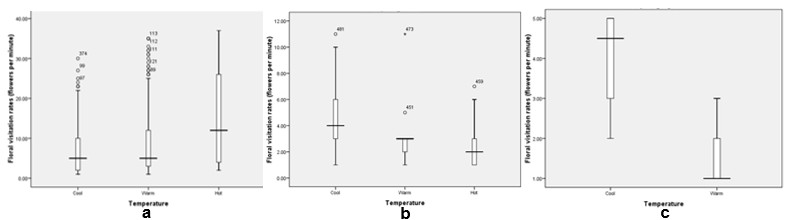
Figure 2. Floral visitation rates of (a) A. mellifera, (b) M. bocandei and (c) M. ferruginea under different temperature conditions
Bee forage resources
In total, plants belonging to 24 families were identified as bee forage resources. Of these, 16 plant families were detected in honey of A. mellifera while 6 plant families were found in honey from M. bocandei and M. ferruginea (Table 2). Based on the proportion of honey samples with a given pollen type (Table 2), the top 10 plant species for A. mellifera were: Bidens pilosa (42.6%), Eucalyptus grandis (31.5%), Myrtaceae (31.5%), Poaceae (24.1%), Carica papaya (13%), Sesamum indicum (9.3%), Ipomoea sp (9.3%), Helianthus annus (9.3%), Acacia spp. (9.3) and Urticaceae (7.4%). For M. bocandei, the following formed the top 10 plant species/types: Bidens pilosa (57.1%), Myrtaceae (39.1%), Poaceae (32.1%), Eucalyptus grandis (32.1%), Carica papaya (21.4%), Psidium guajava (17.9%), Ipomoea sp (7.1%), Helianthus annus (3.6%), Sonchus asper (3.6%) and Nicandra physalodes (3.6%).
While for M. ferruginea, the 10 top plant species/types identified include: Bidens pilosa (71.4%), Urticaceae (42.9%), Poaceae (42.9%), Carica papaya (28.6%), Eucalyptus grandis (28.6%), Myrtaceae (28.6%), Myrica sp (14.3%), Phaseolus vulgaris (14.3%), Psidium guajava (14.3%) and Syzygium cumini (14.3%).
Seasonal variations in bee forage resources
Seasonal variations in the number of plant types/species utilized by bees were noted. Specifically, 07 plant species were utilized by M. bocandei during the dry season (April) compared to 13 during the wet season (Oct-Nov). For M. ferruginea, 09 plant species were exploited during the dry season (April) compared to 06 during the wet season (Oct-Nov). Apis mellifera utilized 16 plant species during the dry season (April) compared to 14 during the wet season (Oct-Nov).
Growth habits of plants visited
Plants with three growth habits, namely: Herbs, Shrubs and Trees were identified as bee forage resources (Table 2). Overall, herbs dominated followed by shrubs and then trees.
Round worms detected
Round worms (Figure 3) were detected in honey samples from A. mellifera (9.3%, n=54) and M. bocandei (7.1%, n=28). Detailed identification of these roundworms, infestation levels and their effects on bees should be conducted for informed planning of actions.
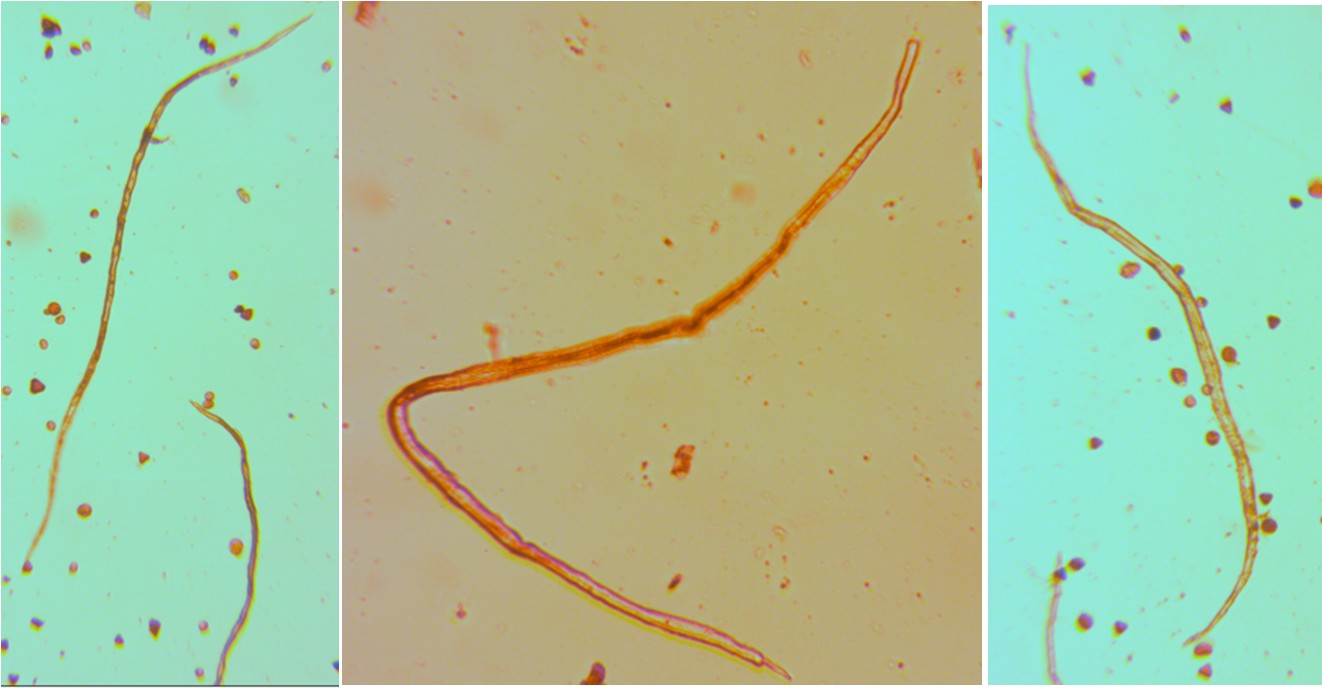
Figure 3: round worms detected in honeybee and stingless bee honey samples
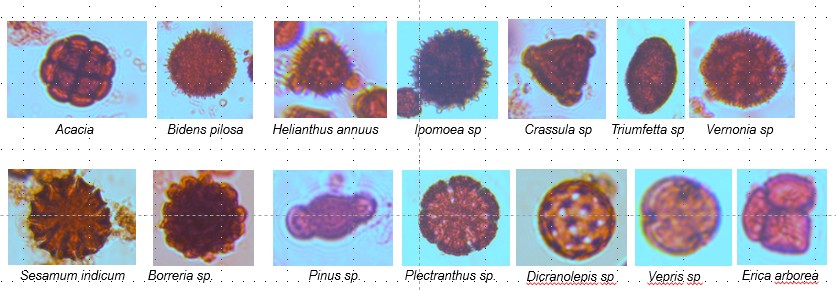
Figure 4: Images of selected pollen in honeybee and stingless bee honey samples
Table 1: Floral visitation rates (flowers/minute) by honeybees and stingless bees on selected bee forage species (identified during field observations)
|
S/N |
Plant species |
Apis mellifera |
Meliponula bocandei |
Meliponula ferruginea |
|
1 |
Persea americana |
6.60±1.63 |
6.75±0.82 |
4.67±0.33 |
|
2 |
Bidens pilosa |
8.20±0.26 |
3.30±0.62 |
|
|
3 |
Brassia tournefortii |
|
|
2.00±0.00 |
|
4 |
Brugmansia sp |
13.92±1.31 |
|
|
|
5 |
Calliandra sp |
3.00±2.00 |
|
|
|
6 |
Crotalaria juncea |
3.29±0.71 |
1.50±0.50 |
|
|
7 |
Cuphea hyssopifolia |
23.70±1.49 |
|
|
|
8 |
Emilia discifolia |
3.00±1.00 |
|
|
|
9 |
Epibolium roseum |
11.00±0.00 |
|
|
|
10 |
Galium trifidum |
25.96±0.81 |
|
|
|
11 |
Impatiens sp |
14.00±0.00 |
|
|
|
12 |
Phlomis fruticosa |
23.00±0.00 |
|
|
|
13 |
Leucaena sp |
3.00±0.00 |
5.00±0.00 |
|
|
14 |
Macroptilium atropurpureum |
3.00±0.00 |
|
2.00±1.00 |
|
15 |
Marah oregana |
13.00±1.00 |
|
|
|
16 |
Medicago sativa |
3.00±0.68 |
|
|
|
17 |
Ocimum americanum |
22.33±1.76 |
|
|
|
18 |
Citrus sp |
5.00±0.58 |
|
|
|
19 |
Praxelis denatidae |
5.00±0.00 |
|
|
|
20 |
Tithonia diversifolia |
2.90±0.12 |
2.907±0.25 |
1.00±0.00 |
|
21 |
Tridex brocumbens |
5.00±2.00 |
|
|
|
22 |
Vernonia sp |
28.95±1.66 |
|
|
|
23 |
Vigna unguiculata |
8.00±0.00 |
|
|
Table 2: Plant resources identified through mellisopalynology of honeybee and stingless bee honey samples and field observations: note the proportion (%) of samples with the different pollen types and mean number of pollen per honey sample.
|
|
|
|
|
Apis mellifera |
|
|
Meliponula bocandei |
|
|
Meliponula ferruginea |
|
||||||
|
Plant species/type |
Family |
Growth habit |
n |
Count |
Mean |
Total |
% |
n |
Count |
Mean |
Total |
% |
n |
Count |
Mean |
Total |
% |
|
Bidens pilosa |
Asteraceae |
H |
54 |
23.0 |
17.9 |
412.0 |
42.6 |
28.0 |
16.0 |
16.0 |
256.0 |
57.1 |
7.0 |
5.0 |
2.8 |
14.0 |
71.4 |
|
Mimosa pundica |
Fabaceae |
H |
54 |
0.0 |
0.0 |
0.0 |
0.0 |
28.0 |
0.0 |
0.0 |
0.0 |
0.0 |
7.0 |
0.0 |
0.0 |
0.0 |
0.0 |
|
Mabea sp. |
Euphorbiaceae |
S/T |
54 |
2.0 |
2.0 |
4.0 |
3.7 |
28.0 |
0.0 |
0.0 |
0.0 |
0.0 |
7.0 |
0.0 |
0.0 |
0.0 |
0.0 |
|
Syzygium cumini |
Myrtaceae |
T |
54 |
0.0 |
0.0 |
0.0 |
0.0 |
28.0 |
1.0 |
1.0 |
1.0 |
3.6 |
7.0 |
1.0 |
1.0 |
1.0 |
14.3 |
|
Amaranthus spinosus |
Amaranthaceae |
H |
54 |
0.0 |
0.0 |
0.0 |
0.0 |
28.0 |
0.0 |
0.0 |
0.0 |
0.0 |
7.0 |
0.0 |
0.0 |
0.0 |
0.0 |
|
Camonea vitifolia |
Convolvulaceae |
H |
54 |
0.0 |
0.0 |
0.0 |
0.0 |
28.0 |
0.0 |
0.0 |
0.0 |
0.0 |
7.0 |
0.0 |
0.0 |
0.0 |
0.0 |
|
Psidium guajava |
Myrtaceae |
T |
54 |
0.0 |
0.0 |
0.0 |
0.0 |
28.0 |
5.0 |
17.0 |
85.0 |
17.9 |
7.0 |
1.0 |
2.0 |
2.0 |
14.3 |
|
Acacia sp. |
Mimosaceae |
T |
54 |
5.0 |
1.4 |
7.0 |
9.3 |
28.0 |
1.0 |
1.0 |
1.0 |
3.6 |
7.0 |
0.0 |
0.0 |
0.0 |
0.0 |
|
Euphorbia sp |
Euphorbiaceae |
H/S |
54 |
2.0 |
8.0 |
16.0 |
3.7 |
28.0 |
0.0 |
0.0 |
0.0 |
0.0 |
7.0 |
0.0 |
0.0 |
0.0 |
0.0 |
|
Myrtaceae |
Myrtaceae |
|
54 |
17.0 |
20.9 |
356.0 |
31.5 |
28.0 |
11.0 |
15.2 |
167.0 |
39.3 |
7.0 |
2.0 |
14.0 |
28.0 |
28.6 |
|
Gliricidia sp |
Fabaceae |
S/T |
54 |
0.0 |
0.0 |
0.0 |
0.0 |
28.0 |
0.0 |
0.0 |
0.0 |
0.0 |
7.0 |
0.0 |
0.0 |
0.0 |
0.0 |
|
Eucalyptus grandis |
Myrtaceae |
T |
54 |
17.0 |
21.0 |
357.0 |
31.5 |
28.0 |
9.0 |
14.0 |
126.0 |
32.1 |
7.0 |
2.0 |
1.5 |
3.0 |
28.6 |
|
Phaseolus vulgaris |
Fabaceae |
H |
54 |
0.0 |
0.0 |
0.0 |
0.0 |
28.0 |
0.0 |
0.0 |
0.0 |
0.0 |
7.0 |
1.0 |
8.0 |
8.0 |
14.3 |
|
Poaceae |
Poaceae |
H |
54 |
13.0 |
11.4 |
148.0 |
24.1 |
28.0 |
9.0 |
1.8 |
16.0 |
32.1 |
7.0 |
3.0 |
1.0 |
3.0 |
42.9 |
|
Carica papaya |
Caricaceae |
H |
54 |
7.0 |
2.0 |
14.0 |
13.0 |
28.0 |
6.0 |
2.8 |
17.0 |
21.4 |
7.0 |
2.0 |
1.0 |
2.0 |
28.6 |
|
Urticaceae |
Urticaceae |
|
54 |
4.0 |
26.3 |
105.0 |
7.4 |
28.0 |
0.0 |
0.0 |
0.0 |
0.0 |
7.0 |
3.0 |
37.3 |
112.0 |
42.9 |
|
Tridax brocumbens |
Asteraceae |
H |
54 |
0.0 |
0.0 |
0.0 |
0.0 |
28.0 |
1.0 |
4.0 |
4.0 |
3.6 |
7.0 |
0.0 |
0.0 |
0.0 |
0.0 |
|
Myrica sp |
Myricaceae |
T |
54 |
0.0 |
0.0 |
0.0 |
0.0 |
28.0 |
0.0 |
0.0 |
0.0 |
0.0 |
7.0 |
1.0 |
1.0 |
1.0 |
14.3 |
|
Tithonia diversifolia |
Asteraceae |
H |
54 |
0.0 |
0.0 |
0.0 |
0.0 |
28.0 |
1.0 |
69.0 |
69.0 |
3.6 |
7.0 |
0.0 |
0.0 |
0.0 |
0.0 |
|
Aleurites mollucanus |
Euphorbiaceae |
T |
54 |
0.0 |
0.0 |
0.0 |
0.0 |
28.0 |
1.0 |
7.0 |
7.0 |
3.6 |
7.0 |
0.0 |
0.0 |
0.0 |
0.0 |
|
Nicandra physalodes |
Solanaceae |
H |
54 |
0.0 |
0.0 |
0.0 |
0.0 |
28.0 |
1.0 |
2.0 |
2.0 |
3.6 |
7.0 |
0.0 |
0.0 |
0.0 |
0.0 |
|
Sonchus asper |
Asteraceae |
H |
54 |
0.0 |
0.0 |
0.0 |
0.0 |
28.0 |
1.0 |
1.0 |
1.0 |
3.6 |
7.0 |
0.0 |
0.0 |
0.0 |
0.0 |
|
Helianthus annus |
Asteraceae |
H |
54 |
5.0 |
4.8 |
24.0 |
9.3 |
28.0 |
1.0 |
3.0 |
3.0 |
3.6 |
7.0 |
0.0 |
0.0 |
0.0 |
0.0 |
|
Vernonia sp |
Asteraceae |
S/T |
54 |
1.0 |
1.0 |
1.0 |
1.9 |
28.0 |
0.0 |
0.0 |
0.0 |
0.0 |
7.0 |
0.0 |
0.0 |
0.0 |
0.0 |
|
Ipomoea sp |
Convolvulaceae |
H |
54 |
5.0 |
2.0 |
10.0 |
9.3 |
28.0 |
2.0 |
3.5 |
7.0 |
7.1 |
7.0 |
0.0 |
0.0 |
0.0 |
0.0 |
|
Borreria sp |
Rubiaceae |
H |
54 |
3.0 |
1.0 |
3.0 |
5.6 |
28.0 |
0.0 |
0.0 |
0.0 |
0.0 |
7.0 |
0.0 |
0.0 |
0.0 |
0.0 |
|
Dissomeria sp |
Salicaceae |
S/T |
54 |
0.0 |
0.0 |
0.0 |
0.0 |
28.0 |
0.0 |
0.0 |
0.0 |
0.0 |
7.0 |
0.0 |
0.0 |
0.0 |
0.0 |
|
Barteria sp |
Passifloracea |
T |
54 |
0.0 |
0.0 |
0.0 |
0.0 |
28.0 |
0.0 |
0.0 |
0.0 |
0.0 |
7.0 |
0.0 |
0.0 |
0.0 |
0.0 |
|
Sesamum indicum |
Pedaliaceae |
H |
54 |
5.0 |
12.8 |
64.0 |
9.3 |
28.0 |
0.0 |
0.0 |
0.0 |
0.0 |
7.0 |
0.0 |
0.0 |
0.0 |
0.0 |
|
Triumfetta |
Malvaceae |
H |
54 |
0.0 |
0.0 |
0.0 |
0.0 |
28.0 |
0.0 |
0.0 |
0.0 |
0.0 |
7.0 |
0.0 |
0.0 |
0.0 |
0.0 |
|
Plectranthus |
Lamiaceae |
H/S |
54 |
0.0 |
0.0 |
0.0 |
0.0 |
28.0 |
0.0 |
0.0 |
0.0 |
0.0 |
7.0 |
0.0 |
0.0 |
0.0 |
0.0 |
|
Spondias |
Anacardiaceae |
T |
54 |
1.0 |
1.0 |
1.0 |
1.9 |
28.0 |
0.0 |
0.0 |
0.0 |
0.0 |
7.0 |
0.0 |
0.0 |
0.0 |
0.0 |
|
Impatiens |
Balsaminaceae |
H |
54 |
2.0 |
1.5 |
3.0 |
3.7 |
28.0 |
0.0 |
0.0 |
0.0 |
0.0 |
7.0 |
0.0 |
0.0 |
0.0 |
0.0 |
|
Cyperaceae |
Cyperaceae |
H |
54 |
2.0 |
67.5 |
135.0 |
3.7 |
28.0 |
0.0 |
0.0 |
0.0 |
0.0 |
7.0 |
0.0 |
0.0 |
0.0 |
0.0 |
|
Crassula sp |
Crassulaceae |
S |
54 |
0.0 |
0.0 |
0.0 |
0.0 |
28.0 |
0.0 |
0.0 |
0.0 |
0.0 |
7.0 |
0.0 |
0.0 |
0.0 |
0.0 |
|
Dicranolepis sp |
Thymelaeacea |
S/T |
54 |
1.0 |
4.0 |
4.0 |
1.9 |
28.0 |
0.0 |
0.0 |
0.0 |
0.0 |
7.0 |
0.0 |
0.0 |
0.0 |
0.0 |
|
Mimosa |
Fabaceae |
H |
54 |
1.0 |
2.0 |
2.0 |
1.9 |
28.0 |
0.0 |
0.0 |
0.0 |
0.0 |
7.0 |
0.0 |
0.0 |
0.0 |
0.0 |
|
Vepris sp |
Rutaceae |
S |
54 |
0.0 |
0.0 |
0.0 |
0.0 |
28.0 |
0.0 |
0.0 |
0.0 |
0.0 |
7.0 |
0.0 |
0.0 |
0.0 |
0.0 |
|
Erica arborea |
Ericacea |
S |
54 |
1.0 |
2.0 |
2.0 |
1.9 |
28.0 |
0.0 |
0.0 |
0.0 |
0.0 |
7.0 |
0.0 |
0.0 |
0.0 |
0.0 |
|
Pinus |
Pinaceae |
T |
54 |
0.0 |
0.0 |
0.0 |
0.0 |
28.0 |
0.0 |
0.0 |
0.0 |
0.0 |
7.0 |
0.0 |
0.0 |
0.0 |
0.0 |
|
Cordia |
Boraginaceae |
T |
54 |
0.0 |
0.0 |
0.0 |
0.0 |
28.0 |
0.0 |
0.0 |
0.0 |
0.0 |
7.0 |
0.0 |
0.0 |
0.0 |
0.0 |
Conclusion
- From this study, 16 plant families were identified as forage for A. mellifera while 6 plant families were identified for M. bocandei and M. ferruginea. The dominant plant species/types were Bidens pilosa, Eucalyptus grandis, Myrtaceae, Poaceae, Carica papaya, Psidium guajava and Urticaceae. These bee forage resources should be conserved and or grown near apiaries and meliponaries.
- Floral visitation rates varied across bee species and plant species. Therefore, studies are needed to establish the pollination efficiency of the different bees on different plant species for informed planning of conservation and crop farming activities.
- Finally, roundworms were detected in honey samples. These should be fully identified and further investigations on their effects on bees conducted.
How you benefitted from ECT funding
This work was made possible through the ECT funding.
Dr. Moses Chemurot,
National Agricultural Research Organisation (NARO) Uganda.
Ref.: ECT_20241228A
Completed 2026