

Introduction
Honey bees are increasingly affected by multiple environmental and biological stressors worldwide [1]. In Europe, the invasive yellow-legged hornet, Vespa velutina, has become a major threat for beekeeping due to its intense predation behaviour around apiaries [2–5]. At the same time, colonies are also exposed to additional pressures including Varroa destructor, climate instability and nutritional stress [1, 6].
Galicia (NW Spain) is one of the European regions most severely affected by V. velutina, where prolonged hornet activity coincides with periods of high humidity and environmental instability. Under these conditions, many colonies experience reduced foraging activity, weakened populations and lower overwintering survival.
Because these stressors occur simultaneously under real apiary conditions [7, 8], this project investigated how V. velutina, V. destructor and environmental conditions collectively influence honey bee colony weakening and overwintering survival in Galicia [5, 9]. The study combined conventional colony inspections with precision-apiculture technologies, including environmental sensors, trail cameras, acoustic monitoring and volatile organic compound (VOC) analyses, to better understand colony stress responses under field conditions.
Why was the project necessary?
Honey bee colony decline is increasingly recognized as a multifactorial process rather than the consequence of a single isolated cause. Although invasive hornet predation, V. destructor infestation and environmental stress have often been studied independently, their combined effects under real field conditions remain poorly understood.
The results obtained during this project suggest that sustained V. velutina pressure, parasite infestation, nutritional limitation and extreme environmental conditions may act synergistically, progressively weakening colonies before overwintering. Colonies exposed to prolonged hornet activity frequently showed reduced brood production, lower foraging activity and decreased capacity to maintain internal hive stability.
Understanding how these stressors interact is essential for improving colony management and developing prevention strategies against colony losses in regions affected by invasive hornets and climate-related stress. The project also demonstrated the value of precision-apiculture technologies for early detection of colony weakening and for generating integrated datasets capable of revealing complex colony stress dynamics under real apiary conditions.
Aims and objectives
The principal objective of this project was to investigate the combined effects of V. destructor infestation and V. velutina predation on Apis mellifera colonies under field conditions, while evaluating electronic monitoring systems for detecting colony stress. The project evolved into a multidisciplinary precision-apiculture framework integrating biological, environmental and chemical monitoring, generating datasets that support integrated approaches for studying multiple stressors affecting honey bee health.
The main objectives of the project included:
- Establishing experimental apiaries exposed to V. velutina pressure in Galicia.
- Monitoring colony strength, condition and seasonal evolution throughout the active season and overwintering period.
- Assessing V. destructor infestation levels and colony sanitary status using standardized monitoring procedures.
- Monitoring V. velutina predation pressure through direct observations, trail cameras and electric harp activity.
- Implementing continuous electronic hive-monitoring systems to record temperature, humidity, acoustic activity and hive weight.
- Collecting behavioural data around hive entrances using camera systems.
- Exploring the feasibility of volatile organic compound (VOC) analysis as a potential indicator of colony stress.
- Generating integrated datasets combining biological observations and electronic monitoring data.
- Evaluating overwintering survival under combined biological and environmental stress conditions.
- Developing a multidisciplinary precision-apiculture framework for future research applications.
Methodology
Study apiaries
The study was conducted in two experimental apiaries located in Galicia, a region severely affected by the expansion of V. velutina. One apiary was in Santa Cibrao das Viñas (Ourense) and belonged to a professional beekeeper. This apiary was situated within the surroundings of the Protected Natural Area “ENIL A Boutureira”. The second apiary was in A Cañiza and belonged to a hobbyist beekeeper. Both apiaries were managed by the beekeepers and monitored throughout the active beekeeping season and overwintering period.
Precision-apiculture monitoring system
An integrated monitoring system was implemented combining traditional colony inspections with electronic and environmental monitoring technologies.
The system included:
- Electronic hive scales to record colony weight variation.
- Internal hive sensors measuring temperature, humidity and acoustic activity.
- HOBO® environmental dataloggers recording external environmental conditions.
- Trail cameras monitoring hornet activity and colony entrances.
- Electric harp systems designed to intercept V. velutina.
- VOC sampling systems for chemical analysis of hive atmospheres.
More than 15,000 images per colony were generated during the monitoring period.
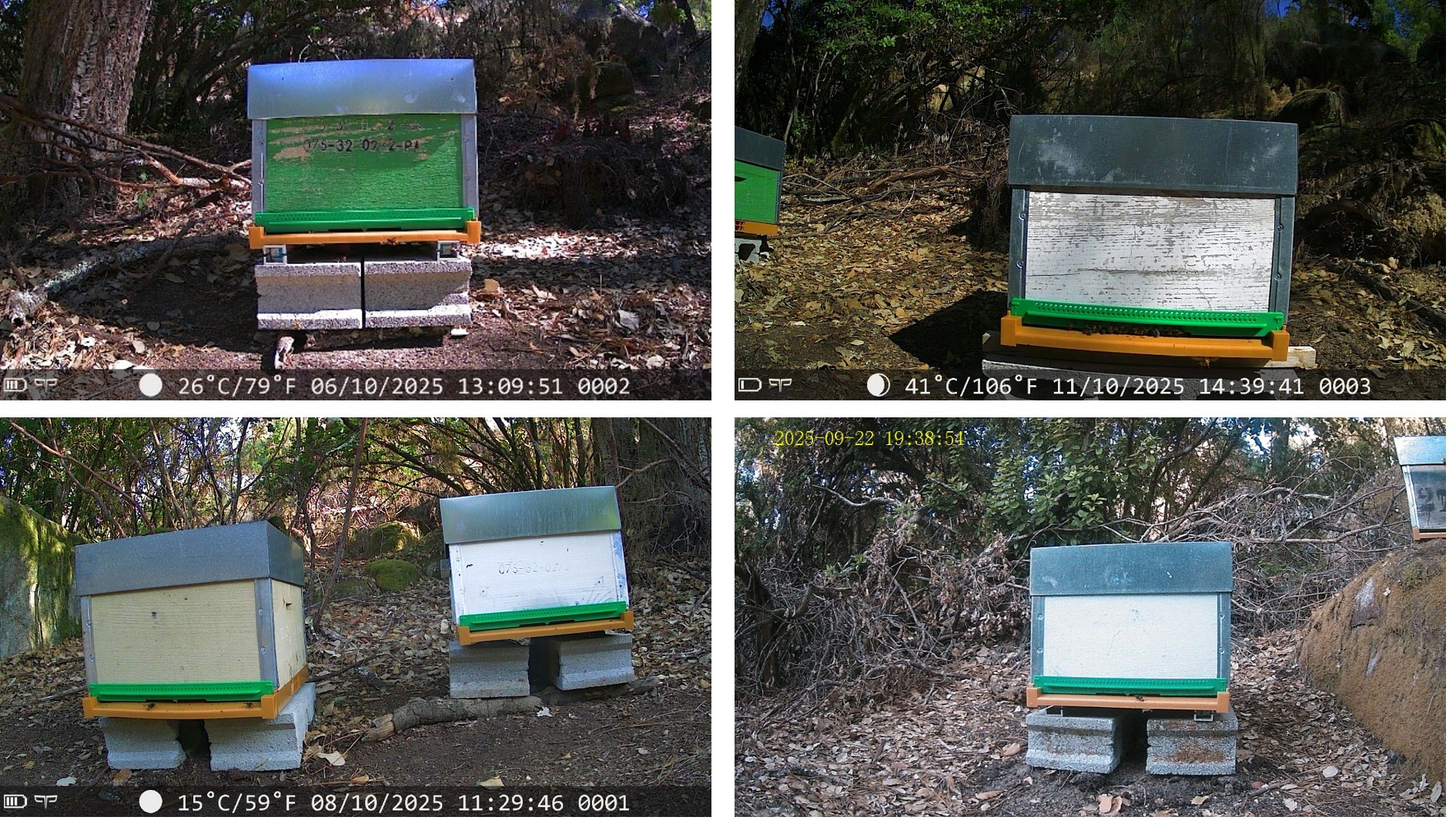
Figure 1. Representative trail camera images used for monitoring and analysis of V. velutina activity around experimental honey bee colonies in Galicia (NW Spain).
Biological monitoring
Colonies were inspected periodically throughout the active season and overwintering period. Standardized photographs of brood combs were analyzed to estimate brood surface, food reserves, pollen stores and empty comb areas, allowing assessment of colony condition over time.
V. destructor infestation levels were evaluated using the EasyCheck® diagnostic system following alcohol wash procedures with approximately 100 worker bees sampled per colony. Additional bee samples were preserved for future honey bee virus analyses associated with V. destructor.
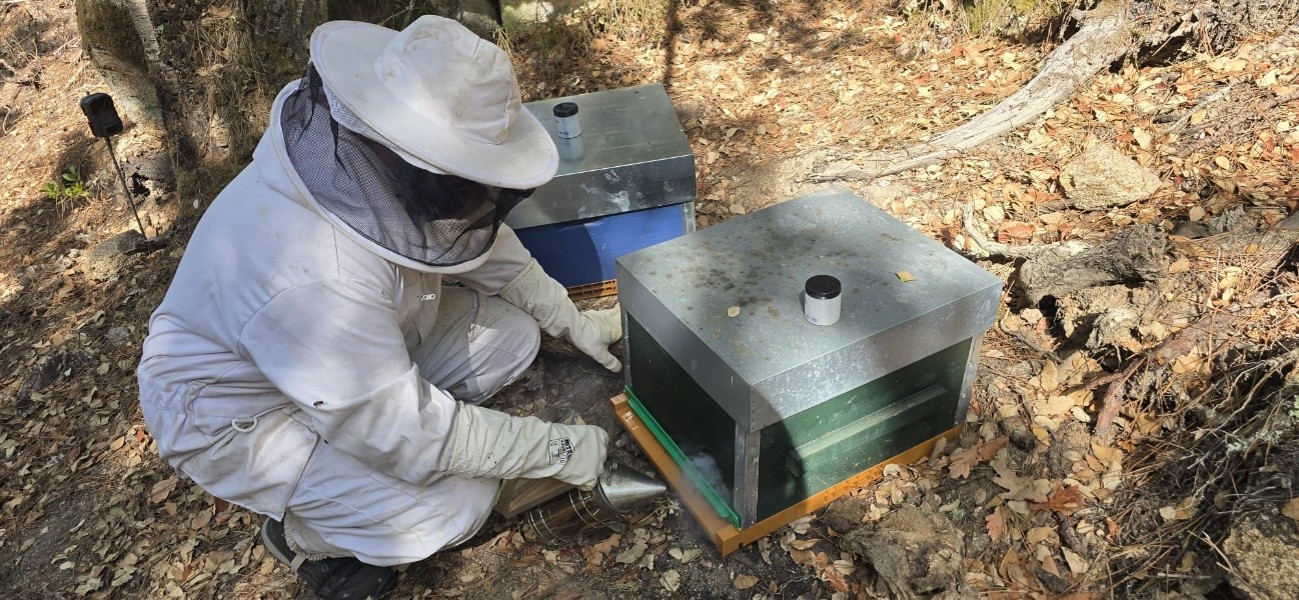
Figure 2. Field inspection and biological monitoring of experimental A. mellifera colonies under V. velutina pressure in Galicia (NW Spain).
VOC analysis
The project also explored volatile organic compounds (VOCs) produced inside colonies. Modified hive supers equipped with SPME sampling systems were used to collect airborne semiochemicals directly from living colonies.
Samples were analysed using Gas Chromatography–Mass Spectrometry (GC-MS), allowing identification of compounds associated with brood activity, wax, propolis, microbial processes and colony stress.
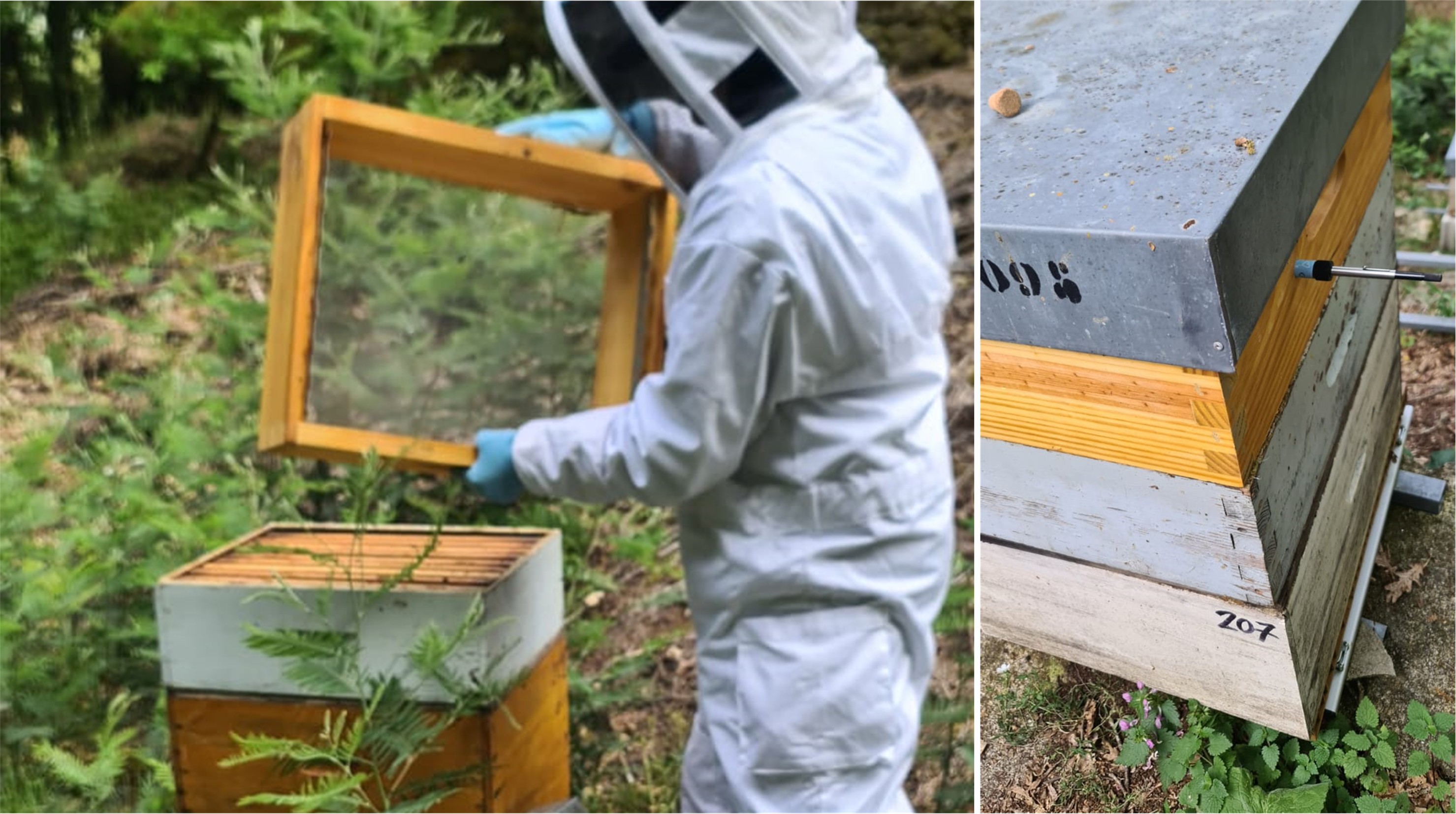
Figure 3. Modified hive installation for sampling VOCs.
Outcomes and main findings
The project generated an integrated monitoring dataset under V. velutina pressure. Several important patterns emerged during the study.
Progressive colony weakening
Many monitored colonies showed progressive weakening from late summer onwards. Colonies exposed to intense hornet pressure frequently reduced flight activity and brood production during autumn.
Photographic analyses demonstrated increasing empty comb surfaces and declining brood areas in several hives during periods of sustained hornet activity.
Exceptionally high summer temperatures during August, frequently exceeding 40°C, may also have contributed to alterations in the seasonal dynamics of V. velutina. These extreme conditions potentially displaced peak hornet pressure towards October, prolonging predation activity later into the season and increasing colony stress immediately prior to overwintering.
Relationship between hornet pressure and parasite stress
At the same time, V. destructor infestation levels increased substantially in several colonies during autumn. The colonies most heavily affected by hornet pressure often corresponded with colonies later presenting elevated varroa infestation levels and overwintering failure. This suggests that chronic hornet stress may indirectly reduce colony resilience and impair the colony’s capacity to control parasite populations.
Sustained predation pressure likely reduced foraging activity and resource collection due to the confinement effect generated by hornet presence at hive entrances. Reduced access to external resources during late-season periods may have further weakened colonies already affected by parasitic and environmental stressors.
Environmental stress and winter losses
Environmental monitoring documented prolonged periods of high humidity, frequent rainfall and decreasing temperatures during autumn and winter. Several colonies died despite retaining honey reserves, often showing mould growth and moisture accumulation inside the hive. These findings suggest that sustained hornet pressure, extreme humidity and reduced foraging opportunities may have critically weakened colonies prior to overwintering.
Internal hive monitoring
Internal hive sensors revealed substantial fluctuations in temperature, humidity and acoustic activity during periods of colony weakening.
Some colonies showed reduced capacity to stabilize internal conditions during autumn, particularly during periods of elevated hornet pressure and declining brood populations.
VOC findings
Preliminary VOC analyses identified multiple biologically relevant compounds associated with colony activity, wax, propolis, microbial activity and stress responses.
Among the detected compounds were fatty acid esters, long-chain hydrocarbons, terpenes and lactones potentially associated with brood signalling and colony physiological status.
The project also detected compounds potentially associated with fermentation and stress-related metabolic processes, particularly in weakened colonies exposed to prolonged V. velutina pressure.
These preliminary findings suggest that VOC profiles may provide valuable information about colony health and stress physiology under multi-stressor conditions.
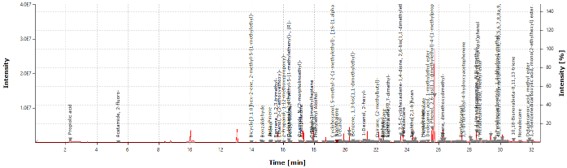
Figure 4. Representative GC–MS chromatogram obtained during volatile organic compound (VOC) analysis of honey bee colony samples collected under field monitoring conditions.
Conclusion
This project showed that honey bee colony decline under V. velutina pressure is driven by the interaction of multiple stressors rather than by a single cause. Sustained hornet predation, increasing V. destructor infestation, extreme environmental humidity and reduced foraging activity collectively weakened colonies prior to overwintering.
The study documented progressive reductions in brood production, colony activity and internal stability during periods of intense hornet pressure. In addition, severe summer drought conditions likely reduced floral and vegetative resources available for foraging, further limiting colony nutritional intake during a critical period preceding overwintering.
By integrating biological inspections, environmental monitoring, electronic hive sensors and VOC analyses, the project provided a comprehensive real-field view of colony stress dynamics and demonstrated the potential of precision-apiculture technologies for early stress detection and future honey bee health research.
How the Eva Crane Trust funding supported the project
Funding provided by the Eva Crane Trust was essential for the development of the project.
The grant enabled:
- Acquisition of electronic hive monitoring systems.
- Deployment of trail cameras and environmental dataloggers.
- Installation of electric harp systems.
- VOC sampling and laboratory analyses.
- Repeated field visits and biological monitoring.
- Development of an integrated multidisciplinary monitoring framework.
The support of the Eva Crane Trust allowed the project to evolve beyond conventional colony monitoring into a broader study of colony stress ecology under real field conditions.
The funding additionally contributed to scientific training, collaboration with beekeepers and development of future research directions focused on honey bee resilience under multiple environmental stressors.
Future dissemination
Results from this project are expected to contribute to future scientific publications and conference presentations.
Preliminary findings related to VOCs, overwintering survival and multi-stressor colony decline are currently being prepared for dissemination at scientific meetings, including EurBee 2026.
The datasets generated will also support future collaborative research focused on precision apiculture, invasive species ecology and honey bee stress physiology.
Acknowledgements
The author gratefully acknowledges the financial support provided by the Eva Crane Trust. Special thanks are extended to the collaborating beekeepers for granting access to their apiaries and assisting throughout the monitoring period. The project was developed with support from the Universidade de Vigo and collaborating researchers involved in field monitoring, laboratory analysis and data processing.
Dr. Mª Shantal Rodríguez-Flores
University of Vigo
Ref.:ECT_20240943A
Completed 2026
References:
[1] Lin, Z., Shen, S., Wang, K., & Jia, T. (2023). Biotic and abiotic stresses on honeybee health. Integrative Zoology, 18(6), 1098–1114. https://doi.org/10.1111/1749-4877.12752
[2] Laurino, D., Lioy, S., Carisio, L., Manino, A., & Porporato, M. (2020). Vespa velutina: An alien driver of honey bee colony losses. Diversity, 12(1), 5. https://doi.org/10.3390/D12010005
[3] Requier, F., Rome, Q., Chiron, G., Decante, D., & Marion, S. (2019). Predation of the invasive Asian hornet affects foraging activity and survival probability of honey bees in Western Europe. Journal of Pest Science, 92(2), 567–578. https://doi.org/10.1007/S10340-018-1063-0
[4] Rojas-Nossa, S. V., Dasilva-Martins, D., Mato, S., Bartolomé, C., & Maside, X. (2022). Effectiveness of electric harps in reducing Vespa velutina predation pressure and consequences for honey bee colony development. Pest Management Science, 78(11), 4808–4817. https://doi.org/10.1002/ps.7132
[5] Diéguez-Antón, A., Rodríguez-Flores, M. S., Escuredo, O., & Seijo, M. C. (2022). Monitoring study in honeybee colonies stressed by the invasive hornet Vespa velutina. Veterinary Sciences, 9(4), 183. https://doi.org/10.3390/vetsci9040183
[6] Dolezal, A. G., Carrillo-Tripp, J., Miller, W. A., Bonning, B. C., & Toth, A. L. (2016). Intensively cultivated landscape and Varroa mite infestation are associated with reduced honey bee nutritional state. PLOS ONE, 11(4), e0153531. https://doi.org/10.1371/JOURNAL.PONE.0153531
[7] Frizzera, D., Zanni, V., D'Agaro, M., Boaro, G., & Andreuzza, L. (2023). Varroa destructor exacerbates the negative effect of cold contributing to honey bee mortality. Journal of Insect Physiology, 150, 104571. https://doi.org/10.1016/j.jinsphys.2023.104571
[8] Gray, D., Goslee, S. C., Kammerer, M., & Grozinger, C. M. (2024). Effective pest management approaches can mitigate honey bee (Apis mellifera) colony winter loss across a range of weather conditions in small-scale, stationary apiaries. Journal of Insect Science, 24(3), ieae043. https://doi.org/10.1093/jisesa/ieae043
[9] Diéguez-Antón, A., Escuredo, O., Seijo, M. C., & Rodríguez-Flores, M. S. (2025). Long-term Vespa velutina nigrithorax pressure: Honey bee risk survival to alien invasion. Apidologie, 56(1), 11. https://doi.org/10.1007/s13592-025-01158-z